

How Long Does a Teeth Cleaning Take?

Dr. D.Sendhil Nathan
MDS, DNB (Prosthodontics And Implantology)
Regular dental cleanings are one of the easiest ways to keep your teeth and gums healthy. Yet many people delay their appointments because they are unsure about the process. One of the most common questions patients ask is: “How long does a teeth cleaning take?”
If you are planning your next dental visit, understanding the time involved, what happens during the procedure, and when you can eat afterward can help you feel more comfortable and prepared.
In this guide, we will explain how long a teeth cleaning usually takes, what happens during the appointment, and how long to wait to eat after teeth cleaning.
Table of Contents
What Is a Professional Teeth Cleaning?
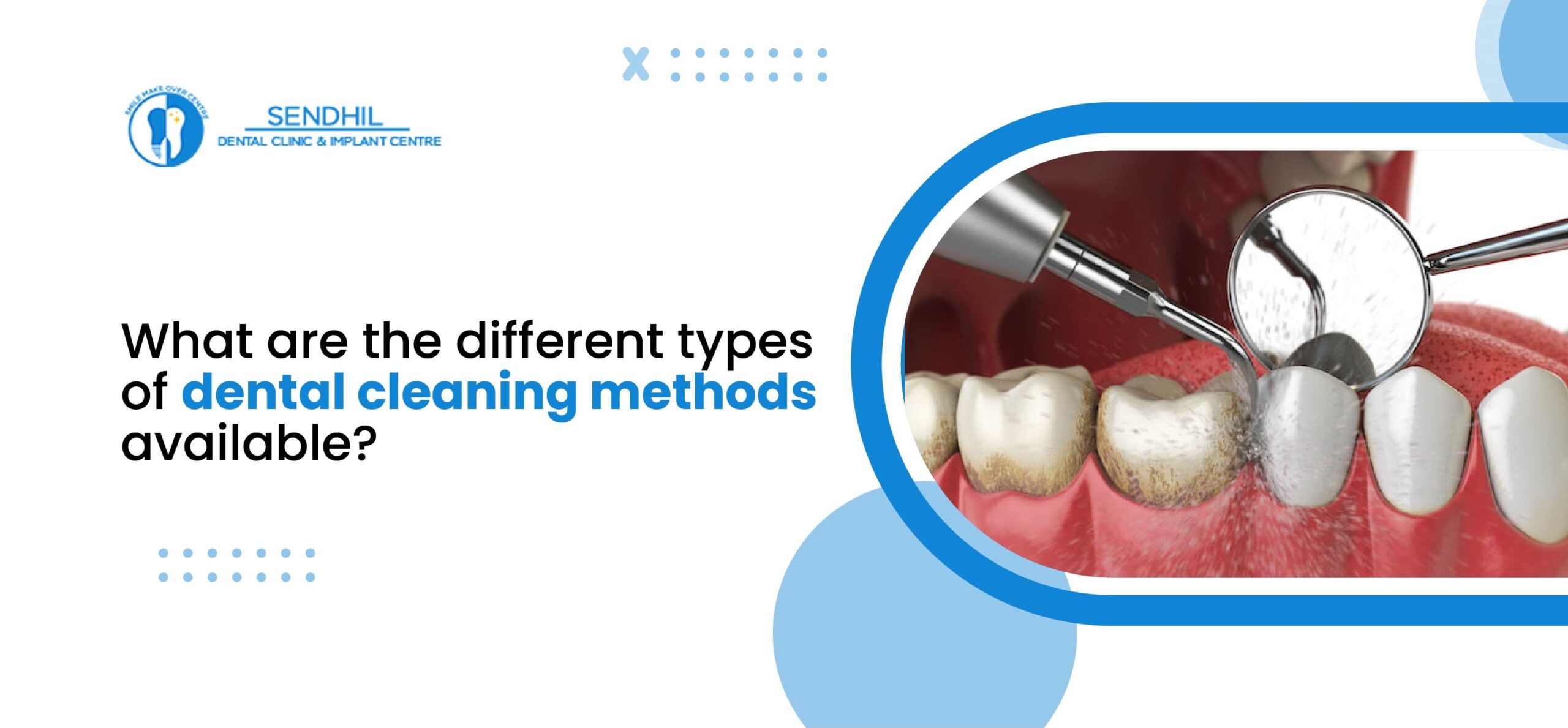
A professional teeth cleaning is a routine dental procedure performed by a dentist or dental hygienist to remove plaque, tartar, and stains that cannot be removed by regular brushing and flossing.
Even with excellent oral hygiene habits, plaque can harden into tartar over time. Once tartar forms, it can only be removed with professional dental tools.
Professional cleanings help:
- Prevent cavities
- Reduce gum disease risk
- Remove stains from food and drinks
- Keep breath fresh
- Maintain overall oral health
Dentists generally recommend getting a professional cleaning every six months.
How Long Does a Teeth Cleaning Take?
For most people, a routine teeth cleaning takes about 30 to 60 minutes.
However, the exact time can vary depending on several factors, including your oral health and whether additional treatments are needed.
Typical Time Breakdown
Here is how the time is usually spent during a dental cleaning:
1. Oral Examination (5–10 minutes)
The dental hygienist or dentist first checks your teeth and gums for signs of cavities, gum disease, or other oral health issues.
2. Plaque and Tartar Removal (10–20 minutes)
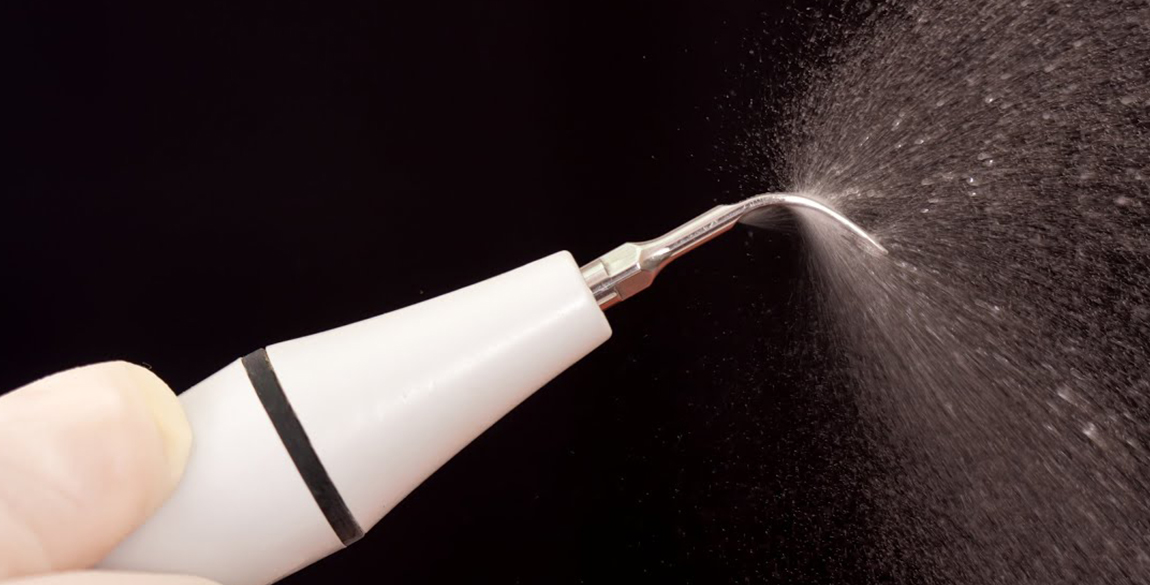
Using specialized dental tools, the hygienist removes plaque and hardened tartar around the teeth and gumline.
3. Professional Tooth Polishing (5–10 minutes)
A high-powered electric brush and polishing paste are used to remove stains and smooth the tooth surface.
4. Flossing and Rinse (5 minutes)
Your hygienist will floss between your teeth to remove any remaining debris.
5. Fluoride Treatment (Optional – 5 minutes)
Some dentists apply fluoride to strengthen enamel and prevent cavities.
For someone with good oral hygiene, the entire visit may take around 30 minutes. If there is more tartar buildup or gum issues, it may take closer to an hour.
Factors That Can Affect Teeth Cleaning Time
Not every dental cleaning takes the same amount of time. Several factors can influence how long your appointment lasts.
1. Amount of Plaque and Tartar
If there is a significant buildup of plaque or tartar, the hygienist will need more time to remove it carefully.
2. Gum Health
People with gingivitis or early gum disease may require more detailed cleaning around the gumline.
3. First-Time Dental Visit
If it has been several years since your last cleaning, the procedure may take longer.
4. X-Rays and Exams
If your dentist needs to take dental X-rays or perform a detailed exam, this can add extra time to the appointment.
5. Deep Cleaning Procedures
In cases of periodontal disease, your dentist may recommend scaling and root planing, which can take multiple visits.
How Long to Wait to Eat After Teeth Cleaning
Another common question people ask is: “How long should I wait to eat after teeth cleaning?”
The answer depends on whether your dentist used fluoride treatment during the cleaning.
If Fluoride Was Applied
If your dentist applied fluoride, you should wait at least 30 minutes before eating or drinking.
Fluoride needs time to fully absorb into the tooth enamel. Eating too soon can reduce its effectiveness.
If No Fluoride Was Used
If no fluoride treatment was used, you can usually eat right away after your appointment.
However, dentists often recommend waiting about 30 minutes just to allow your teeth and gums to settle.
Foods to Avoid Immediately After Cleaning
Your teeth may be slightly sensitive after cleaning. It is best to avoid:
- Very hot foods
- Extremely cold drinks
- Sticky foods
- Hard foods
- Highly acidic foods
Instead, choose soft and mild foods like yogurt, soup, eggs, or smoothies.
Does Teeth Cleaning Hurt?
For most people, teeth cleaning is not painful.
You may feel mild discomfort or pressure during tartar removal, especially if there is significant buildup or if your gums are sensitive.
People with gum inflammation may experience slight tenderness. However, dental hygienists use gentle techniques to keep the process comfortable.
If you have sensitive teeth, you can always inform your dentist beforehand.
Benefits of Regular Teeth Cleaning
Professional dental cleanings offer several long-term health benefits.
Prevents Gum Disease
Plaque buildup can lead to gingivitis and periodontal disease. Cleanings remove harmful bacteria before they cause damage.
Helps Prevent Cavities
Tartar and plaque can weaken tooth enamel. Removing them reduces the risk of cavities.
Improves Appearance
Cleaning removes surface stains from coffee, tea, and smoking, making your smile look brighter.
Freshens Breath
Bad breath is often caused by bacteria trapped between teeth and gums. Dental cleanings help eliminate these bacteria.
Detects Problems Early
Regular dental visits allow dentists to identify oral health issues early, which can prevent more serious problems later.
Tips to Maintain Clean Teeth Between Dental Visits
While professional cleanings are important, daily oral care plays a major role in maintaining healthy teeth.
Here are a few tips:
Brush Twice Daily
Use a fluoride toothpaste and brush for at least two minutes.
Floss Every Day
Flossing removes food particles and plaque from areas your toothbrush cannot reach.
Limit Sugary Foods
Sugary snacks and drinks increase the risk of cavities.
Drink Plenty of Water
Water helps wash away food particles and bacteria.
Visit Your Dentist Regularly
Routine dental checkups help maintain long-term oral health.
When Should You Schedule Your Next Teeth Cleaning?
Most dentists recommend scheduling a professional cleaning every six months.
However, some people may need more frequent visits, especially if they have:
- Gum disease
- Heavy tartar buildup
- A history of cavities
- Certain medical conditions affecting oral health
Your dentist will recommend the best cleaning schedule based on your individual needs.
Final Thoughts
So, how long does a teeth cleaning take? For most patients, a routine dental cleaning takes between 30 and 60 minutes.
The procedure is quick, safe, and essential for maintaining healthy teeth and gums. Regular cleanings help prevent cavities, reduce gum disease risk, and keep your smile looking bright.
If your dentist applies fluoride during the cleaning, remember to wait at least 30 minutes before eating or drinking to allow it to fully protect your teeth.
Scheduling regular dental cleanings and maintaining good oral hygiene at home are the best ways to keep your smile healthy for years to come.