

What Happens If You Don’t Replace Missing Teeth

Dr. D.Sendhil Nathan
MDS, DNB (Prosthodontics And Implantology)
Losing a tooth can be an unexpected experience. While some people replace a missing tooth immediately, others may decide to leave the gap untreated, especially if it is not visible or does not cause any immediate discomfort.
But what happens if you don’t replace a missing tooth?
A missing tooth can affect more than just your smile. Over time, the surrounding teeth may shift, the jawbone may gradually lose volume, and your bite may change — and this process can begin sooner than most people expect. These changes can affect chewing, oral hygiene, and the health of your remaining teeth.
The effects depend on factors such as the location of the missing tooth, the number of teeth lost, and your overall oral health. However, getting a professional evaluation can help you understand whether tooth replacement is recommended for your situation.
Table of Contents
Is It Okay to Leave a Missing Tooth Untreated?
A missing tooth may not cause immediate problems. You may continue eating and speaking normally for some time, particularly if the missing tooth is located at the back of your mouth.
However, the gap can gradually affect the balance and alignment of the surrounding teeth. The teeth next to the gap may begin to move, while the tooth opposite the empty space may also shift out of its normal position.
These changes can develop slowly, which means you may not notice them immediately after losing a tooth. That’s exactly why many patients are surprised, months or years later, to learn how much has changed beneath the surface.
What Happens If You Don’t Replace a Missing Tooth?
Your Surrounding Teeth May Shift
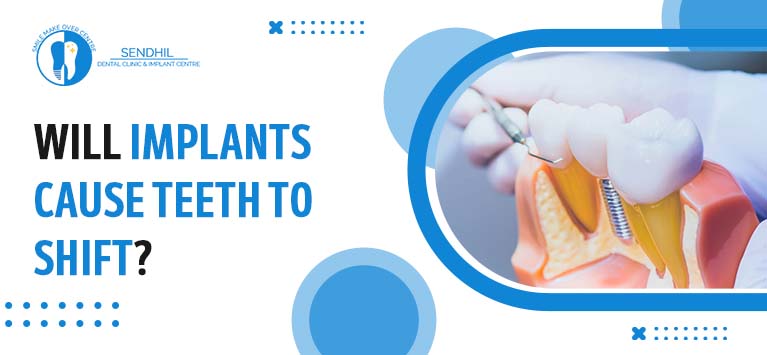
When a tooth is missing, the teeth next to the gap may gradually tilt or drift into the empty space. The opposing tooth may also move further out of its normal position.
This can lead to:
- Changes in the alignment of your teeth
- Difficulty cleaning between the teeth
- Food becoming trapped around the gap
- Changes in the way your teeth come together
If the teeth move significantly, replacing the missing tooth later may require additional treatment — such as orthodontic work to restore enough space for a proper replacement.
Jawbone Loss May Occur
The roots of your teeth help stimulate and maintain the jawbone. When a tooth is lost, the bone no longer receives that stimulation and gradually breaks down a process called bone resorption. This begins sooner than most people expect, with studies showing significant width loss (up to around 50%) can occur within the first year, most of it in the first few months.
Your Bite May Change
Your teeth work together to distribute the forces of biting and chewing. When one tooth is missing, the remaining teeth take on different pressure, and as they shift, your bite alignment can change — sometimes leading to uneven wear, discomfort, or jaw strain.
Chewing and Oral Hygiene May Become More Difficult
A missing tooth, especially a molar, can make chewing harder; you may favour one side or avoid certain foods. The gap also makes it easier for food and plaque to build up around neighbouring teeth, raising the risk of decay and gum problems as those teeth shift.
Your Facial Appearance May Change
Teeth and jawbone support the lower part of the face. With significant or long-term tooth loss, some people develop a more sunken look around the mouth and cheeks as underlying support diminishes.
What Are the Options for Replacing Missing Teeth?
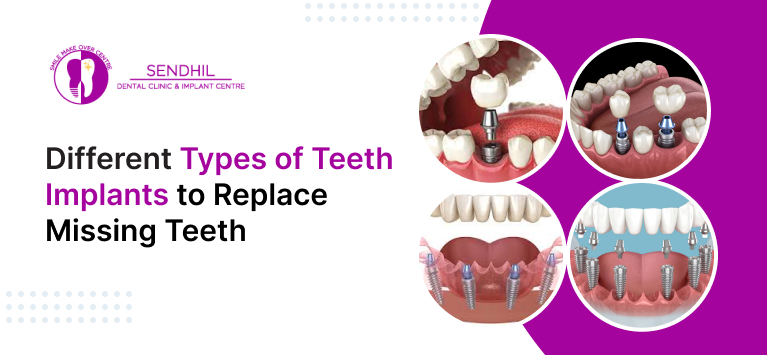
There are several options for replacing missing teeth. The most suitable treatment depends on the number and location of the missing teeth, the condition of the surrounding teeth, your jawbone health, and your overall oral health.
1. Dental Implants
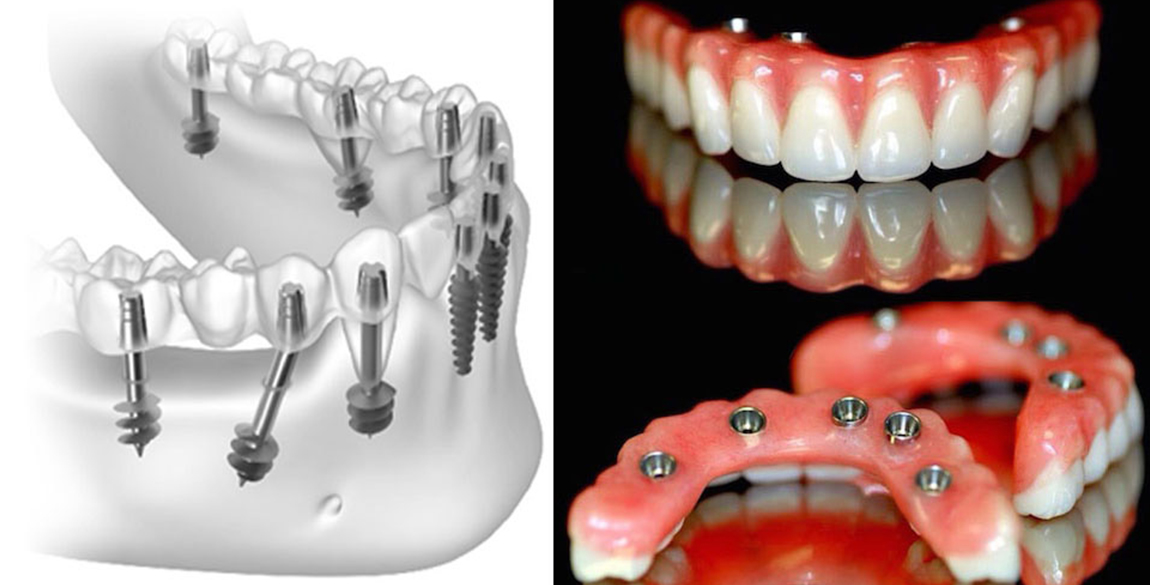
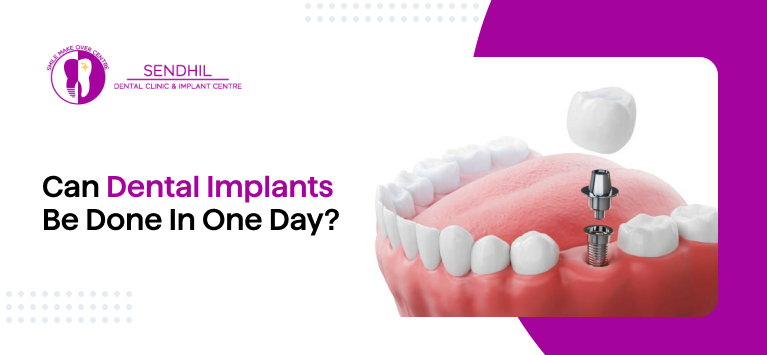
An implant replaces the tooth root with a titanium post, topped with a crown. Because it stimulates the jawbone like a natural root, it’s the only option that helps prevent further bone loss — and typically the most durable, often lasting decades, though it costs more upfront and needs sufficient healthy bone to place.
2. Dental Bridges
A dental bridge replaces a missing tooth by anchoring an artificial tooth to the neighbouring teeth or dental implants. It is a fixed option that can restore chewing function and improve the appearance of your smile. However, since it does not replace the tooth root, it does not provide the same stimulation to the jawbone as an implant.
3. Dentures
Dentures are removable appliances that can replace one or more missing teeth. Partial dentures can replace a few missing teeth, while complete dentures are used when all the teeth in an arch are missing. They are generally a more affordable and less invasive option, although they may require adjustments or replacement over time as the jaw changes.
When Should You See a Dentist About a Missing Tooth?
Consider scheduling a dental consultation if:
- You have recently lost or had a tooth removed
- You have had a missing tooth for a long time
- Your surrounding teeth appear to be shifting
- You have difficulty chewing
- Food frequently gets trapped in the gap
- You notice changes in your bite
- You want to learn about your tooth replacement options
A dentist can evaluate the gap, surrounding teeth, gums, and jawbone and recommend the most appropriate treatment for your needs.
Final Thoughts
A missing tooth may not cause immediate pain, but leaving the gap untreated can gradually affect your surrounding teeth, jawbone, bite, chewing ability, and oral hygiene — and much of this change begins sooner than most people realize.
The consequences of not replacing missing teeth can include tooth movement, bone loss, bite changes, and difficulty maintaining the surrounding teeth. However, the impact varies from person to person.
If you have a missing tooth, a professional dental evaluation can help you understand your options before further changes occur.