

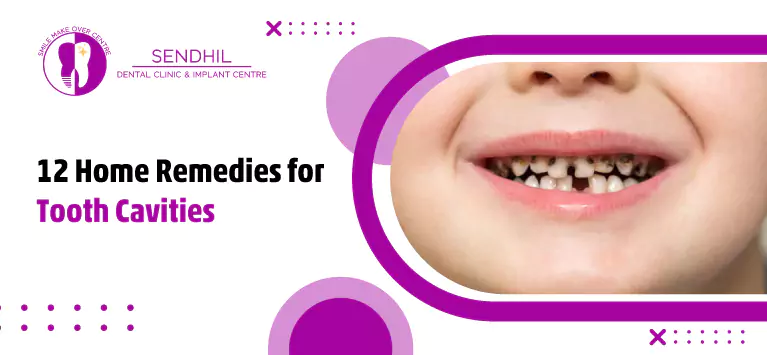
12 Home Remedies for Tooth Cavities

Dr. D.Sendhil Nathan
MDS, DNB (Prosthodontics And Implantology)
Tooth cavities are one of the most common dental problems, affecting both children and adults. While many people search for ways to heal cavities at home, it is important to understand what home remedies can and cannot do. Some natural remedies may help reduce bacteria, ease discomfort, and support oral health, but they cannot reverse deep tooth decay. Knowing the difference can help you protect your teeth and avoid more serious dental problems.
Table of Contents
What Is a Tooth Cavity?
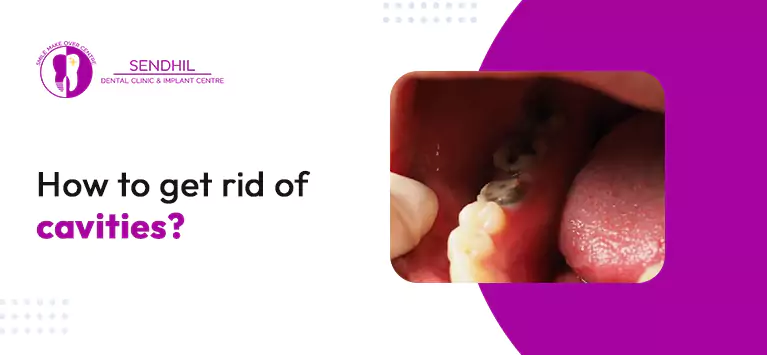
A tooth cavity is a permanently damaged area of a tooth that develops when acids produced by oral bacteria gradually break down tooth enamel. Over time, this damage can create small holes in the tooth.
Common signs of a cavity include:
- Tooth sensitivity
- Pain when eating sweets
- Toothache
- Visible holes or dark spots
- Pain when chewing
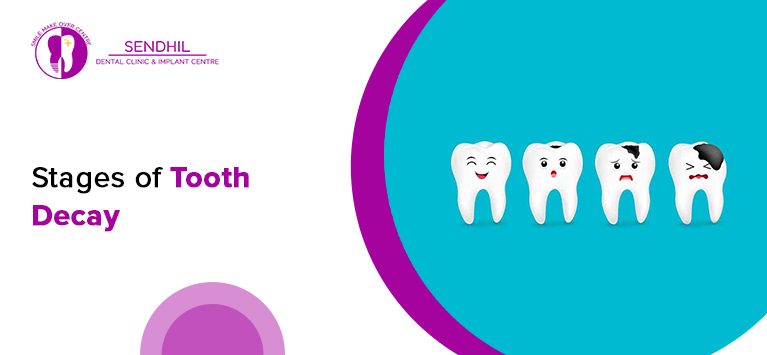
If left untreated, cavities can progress deeper into the tooth and may eventually lead to infection, severe pain, or tooth loss.
Can Home Remedies Remove Tooth Cavities?
This is one of the most common questions patients ask.
The short answer is no. Once a cavity has created a hole in the tooth, it cannot be removed naturally. A filling or other dental treatment is usually needed.
However, certain home remedies may help:
| What Home Remedies Can Do | What Home Remedies Cannot Do |
| Reduce harmful bacteria | Remove an existing cavity |
| Support oral hygiene | Repair large holes in teeth |
| Ease minor discomfort | Replace professional treatment |
| Reduce plaque buildup | Treat severe tooth decay |
Which Home Remedies May Help Support Oral Health?
Saltwater Rinse
One of the simplest and most effective home remedies for tooth cavities is a saltwater rinse. Mix a teaspoon of salt in a glass of warm water and use it to rinse your mouth thoroughly. Saltwater helps reduce inflammation, kill bacteria, and heal cavities naturally.
Oil Pulling
Swishing oil in your mouth to get rid of microorganisms and improve oral health is known as “oil pulling,” an old practice. Oil pulling is commonly done using coconut oil because of its antibacterial qualities. Rinse your mouth with water after spitting out a tablespoon of coconut oil that you swished around in it for 15 to 20 minutes.
Clove Oil
Clove oil is well-known for its analgesic and antimicrobial properties, making it an effective remedy for tooth cavities. Apply a few drops of clove oil to a cotton ball and gently place it on the affected tooth for pain relief and to help fight bacteria.
Garlic
Garlic is another natural remedy that can help alleviate toothache and fight bacteria in the mouth. Crush a garlic clove to make a paste, then apply it directly to the affected tooth. Alternatively, you can chew a garlic clove for a few minutes to release its beneficial compounds.
Green Tea
Green tea is rich in antioxidants and has antibacterial properties that can help promote oral health. Drink a cup of green tea daily to help reduce inflammation and fight bacteria in the mouth, which may help heal cavities naturally from worsening.
Turmeric Paste
Turmeric, with its vibrant colour and potent properties, can be a valuable ally in your fight against tooth cavities. Create a paste by mixing turmeric powder with water and applying it directly to the affected tooth. Let it sit for a few minutes before rinsing, allowing turmeric’s anti-inflammatory and antimicrobial benefits to work their magic.
Neem
Neem, also known as Indian lilac, has a long history of use in traditional medicine for oral health. Chewing on neem twigs or using neem oil as a mouthwash can help combat bacteria and reduce inflammation in the mouth, offering a natural approach to cavity management.
Cranberry Juice
Rich in antioxidants, cranberry juice prevents bacteria from clinging to teeth, reducing plaque formation. Its proanthocyanidins thwart harmful bacteria, promoting cavity prevention and fresher breath. Incorporating unsweetened cranberry juice fosters overall oral health by inhibiting bacterial growth and supporting a healthier mouth environment.
Aloe Vera Gel
The cooling and healing properties of aloe vera make it a soothing option for treating tooth cavities. Applying a small amount of aloe vera gel directly to the affected tooth can help ease discomfort and support the healing process, providing a gentle touch to your oral care routine.
Vitamin D
Sunshine vitamin D plays a crucial role in supporting strong teeth and overall oral health. Spend some time soaking up the sun to naturally boost your vitamin D levels, or consider a supplement after consulting with a healthcare provider, ensuring your body has the essential nutrients it needs for optimal oral wellness.
Guava Leaves
Guava leaves boast antioxidants, anti-inflammatory, and antimicrobial properties, aiding oral health. Chewing or using it as mouthwash reduces inflammation, fights bacteria, and promotes gum health. Traditionally used for toothaches, ulcers, and oral hygiene, they’re a natural remedy.
Licorice Root
Licorice root, revered for its antibacterial and anti-inflammatory benefits, is a go-to natural remedy for oral health. Whether chewed or used as a mouthwash, it combats mouth bacteria, reduces inflammation, and supports gum wellness. Rich in glycyrrhizin and flavonoids, it’s traditionally trusted for treating tooth decay and gum disease and soothing sore throats.
What Is the Best Way to Prevent Tooth Cavities?
Prevention is always easier than treatment.
To lower your risk of cavities:
- Brush twice daily with fluoride toothpaste
- Floss every day
- Limit sugary snacks and drinks
- Drink plenty of water
- Visit your dentist regularly
- Get professional dental cleanings
Maintaining Good Oral Hygiene
While home remedies can provide temporary relief, it’s essential to maintain good oral hygiene practices to prevent cavities and maintain overall oral health. Remember to brush your teeth twice a day, floss regularly, and visit your dentist for routine check-ups and professional cleanings.
Conclusion
Home remedies may support oral hygiene and provide temporary relief from cavity-related discomfort, but they cannot remove established cavities. The best approach is to combine good oral care habits with regular dental check-ups to catch tooth decay early and keep your smile healthy for years to come.