

Can You Get Dental Implants With Bone Loss?

Dr. D.Sendhil Nathan
MDS, DNB (Prosthodontics And Implantology)
Have you been told you have bone loss and assumed dental implants are no longer an option?
You may not need to give up on implants just yet.
While dental implants need enough healthy jawbone to stay securely in place, bone loss does not always mean you cannot get dental implants. Depending on how much bone you have lost and where the loss has occurred, your dentist may be able to rebuild the bone or use an alternative implant approach.
Table of Contents
Why Do You Need Enough Bone for Dental Implants?
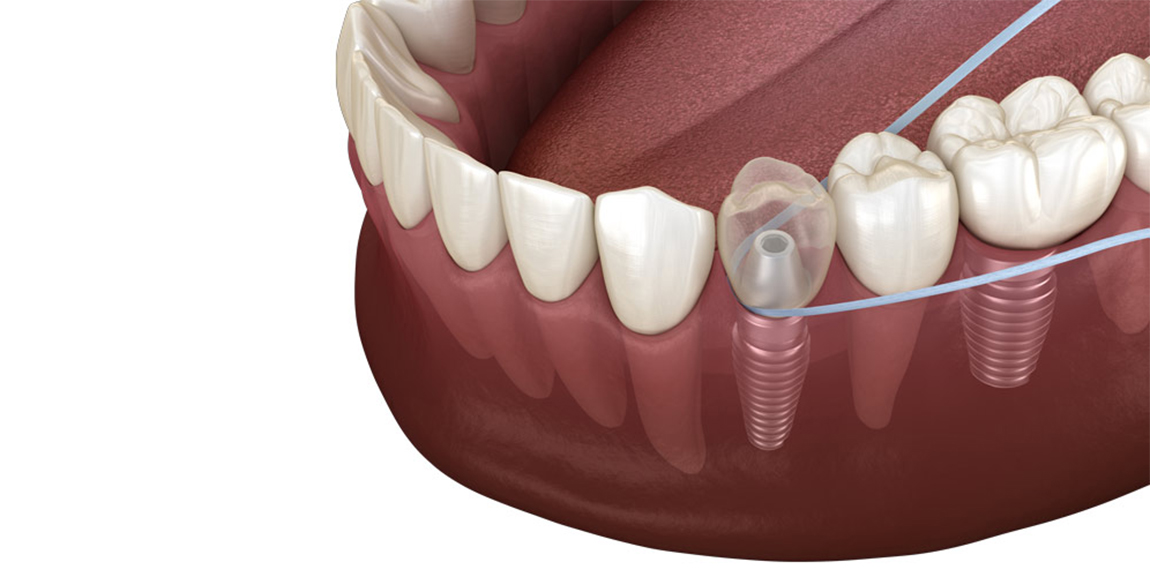
A dental implant acts like an artificial tooth root. It is placed into the jawbone and needs to bond with the surrounding bone to remain stable.
When a tooth is missing for a long time, the jawbone in that area can gradually shrink because it no longer receives the stimulation that normally comes from the tooth root. Gum disease, dental injuries, and prolonged tooth loss can also contribute to bone loss.
That’s why your dentist needs to check the condition of your jawbone before planning an implant.
But here’s the good news: having bone loss doesn’t automatically rule out dental implants.
Can You Still Get Dental Implants If You Have Bone Loss?
Yes, many people with bone loss can still be considered for dental implants.
Your treatment will depend on factors such as:
- How much bone you have lost
- Where the bone loss has occurred
- The condition of your gums
- How many teeth need to be replaced
- Your overall oral health
Your dentist may recommend rebuilding the lost bone first or choosing an implant technique that works with the bone you already have.
What Are Your Options If You Don’t Have Enough Bone?
Bone Grafting
If there isn’t enough bone to support an implant, bone grafting may be recommended.
In simple terms, bone-grafting treatment adds bone material to an area where the jaw has become too thin. As the area heals, it can provide a stronger foundation for a dental implant.
Bone grafting may be considered when bone has been lost because of missing teeth, gum disease, injury, or other causes.
You may need to allow time for the grafted area to heal before the implant can be placed. Your dentist will explain the expected treatment timeline based on your individual case.
Sinus Lift
If you’ve lost bone in the upper jaw, particularly around the back teeth, a sinus lift may be an option.
The sinus is located above the upper back teeth. When bone loss occurs in this area, there may not be enough room to safely place a traditional implant.
A sinus lift raises the sinus floor and creates space for additional bone material, helping provide the support needed for an implant.
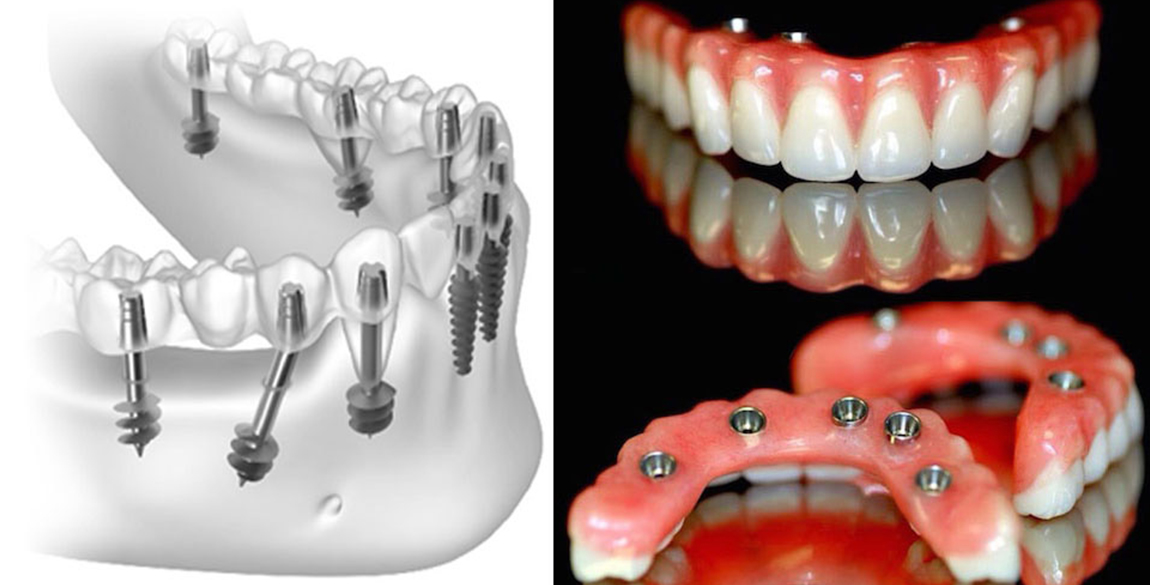
All-on-4 Implants
If you’re missing most or all of your teeth, you may have heard about All-on-4 implants.
Instead of replacing every missing tooth with an individual implant, this approach uses four strategically positioned implants to support a full arch of replacement teeth.
The implants can be positioned to make better use of the available bone, which may reduce or eliminate the need for additional bone grafting in some patients.
This can be an option for people looking for a more stable, fixed alternative to traditional removable dentures.
Zygomatic Implants
For people with severe bone loss in the upper jaw, conventional implants may not provide enough support.
In selected cases, zygomatic implants may be considered. These longer implants are anchored into the cheekbone, known as the zygoma, rather than relying entirely on the jawbone.
Because this is a specialized treatment, your dentist will need to carefully assess your bone structure before deciding whether it is appropriate for you.
How Does Your Dentist Check for Bone Loss?
You can’t always tell how much bone you have simply by looking at your teeth or gums.
That’s why your dentist may recommend 3D imaging or a CBCT scan as part of your implant evaluation. This provides a detailed view of your jawbone, including its height, width, density, and shape.
The scan can help your dentist determine whether you:
- Have enough bone for a traditional implant
- Need bone grafting before implant placement
- Could benefit from All-on-4 implants
- May need another specialized treatment
Your gums and remaining teeth will also be examined because healthy oral tissues are important for successful implant treatment.
What If You’ve Had Missing Teeth for Years?
Having missing teeth for several years doesn’t automatically mean you’re too late for dental implants.
However, the longer a tooth has been missing, the more likely it is that some bone loss has occurred in that area. People who have worn dentures for a long time can also experience gradual changes in their jawbone.
Even then, dental implants may still be possible.
The important thing is to have your jawbone and overall oral health properly evaluated rather than assuming implants aren’t an option.
So, Are Dental Implants Possible With Bone Loss?
In many cases, yes.
Bone loss can make dental implant treatment more challenging, but modern dentistry provides several ways to address it. Depending on your situation, your dentist may recommend bone grafting, a sinus lift, All-on-4 implants, or specialized options such as zygomatic implants.
There isn’t one solution that works for everyone. The right treatment depends on your bone condition, oral health, and the type of tooth replacement you need.
If you’ve been told you don’t have enough bone for dental implants, don’t assume that means you’re out of options. A detailed dental evaluation and appropriate imaging can help determine what treatments may be suitable for you.
Final Thoughts
Bone loss does not necessarily mean you have to give up on dental implants. With modern implant dentistry, there are several ways to address reduced jawbone support, from bone grafting and sinus lifts to implant solutions designed for patients with limited bone.
The right option depends on your individual bone condition, oral health, and the number of teeth you need to replace. A detailed dental evaluation and appropriate imaging can help your dentist determine whether you are a suitable candidate for dental implants and which approach is best for you.
If you’ve been told you have insufficient bone for implants, don’t assume that there are no options. A professional implant consultation can help you understand what is possible and take the next step towards restoring your smile.