

Can a Chipped Tooth Be Fixed Without a Crown?

Dr. D.Sendhil Nathan
MDS, DNB (Prosthodontics And Implantology)
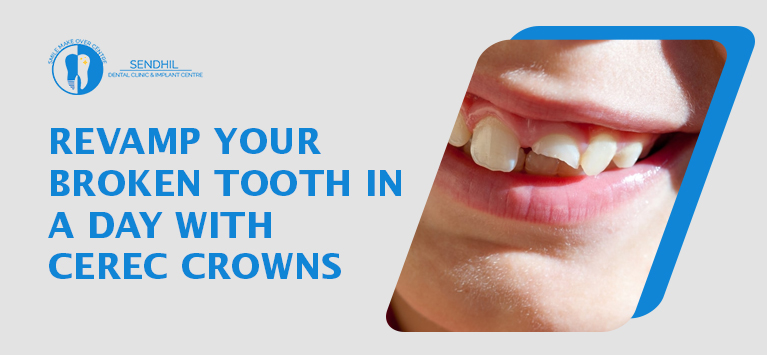
Have you chipped a tooth while biting into something hard or after an accidental fall? It’s natural to assume that a dental crown is the only way to fix it. However, that’s not always the case. Depending on the size, location, and severity of the damage, many chipped teeth can be repaired without placing a crown.
The key is getting the tooth evaluated as soon as possible. Early treatment can restore your smile, prevent further damage, and often save more of your natural tooth structure.
Table of Contents
What Is a Chipped Tooth?
A chipped tooth occurs when a small piece of the tooth’s outer protective layer (enamel) breaks away. This can happen due to accidents, sports injuries, teeth grinding, biting hard foods, or even using your teeth to open packages. While some chips are barely noticeable, others may leave a rough edge, cause sensitivity, or affect the appearance of your smile.
Not every chipped tooth is a dental emergency, but it’s important not to ignore it. Even a small chip can weaken the tooth over time if left untreated.
Can Every Chipped Tooth Be Repaired Without a Crown?
Yes, in many cases, a chipped tooth can be fixed without a crown.
If the damage is minor and the tooth remains structurally strong, your dentist may recommend a more conservative treatment. These options preserve healthy tooth structure while restoring both function and appearance.
The right treatment depends on several factors, including:
- The size of the chip
- Whether the front or back tooth is affected
- If the inner layers of the tooth are exposed
- Your bite and chewing pressure
- Your cosmetic expectations
A thorough dental examination helps determine which option will provide the best long-term result.
Treatment Options That Don’t Require a Crown
Dental Bonding
Dental bonding is one of the most common solutions for repairing small to moderate chips, especially on front teeth.
A tooth-coloured composite resin is carefully shaped over the damaged area and hardened using a special curing light. The material blends naturally with your existing tooth, making the repair almost invisible.
Bonding is a quick, minimally invasive procedure that is often completed in a single visit, making it an excellent option for patients seeking a fast and affordable solution.
Tooth-Coloured Fillings
If the chip affects a back tooth or is associated with a small cavity, a tooth-coloured filling may be recommended.
The filling restores the missing portion of the tooth while maintaining its strength and appearance. This option works well for minor to moderate chips that don’t require full coverage.
Porcelain Veneers
When a front tooth has a larger cosmetic chip but remains structurally healthy, porcelain veneers may be an ideal choice.
A veneer is a thin custom-made shell that covers the front surface of the tooth, improving its shape, colour, and overall appearance. Besides repairing the chip, veneers can also enhance your smile by correcting minor imperfections.
Inlays and Onlays
For chips that are too extensive for a filling but don’t require complete tooth coverage, inlays and onlays offer an effective middle-ground solution.
These custom restorations replace only the damaged portion of the tooth while preserving as much healthy structure as possible. They are especially useful for back teeth that experience greater chewing forces.
Enamel Contouring
Sometimes, treatment can be even simpler.
If the chip is very small and only creates a rough edge, your dentist may smooth and polish the enamel. This painless procedure improves comfort and appearance without adding any restorative material.
When Does a Crown Become Necessary?
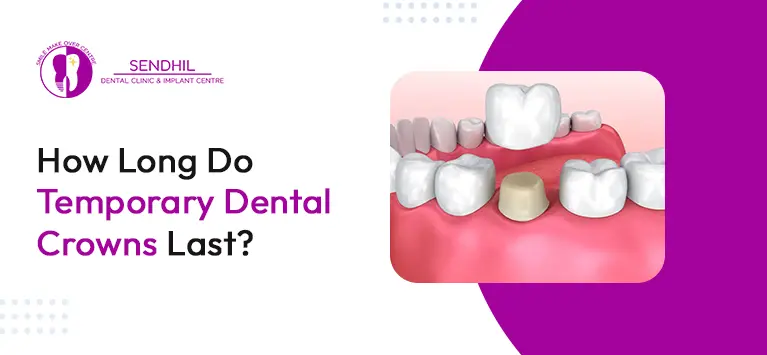
Although many chipped teeth can be treated conservatively, there are situations where a dental crown offers the best protection.
A crown may be recommended if:
- A large portion of the tooth has broken away.
- The tooth has become weak and is at risk of further fracture.
- The crack extends deep into the tooth.
- The dental pulp or nerve has been affected.
- The tooth experiences heavy biting pressure that bonding or fillings may not withstand.
If the chip has reached the inner nerve of the tooth, root canal treatment may also be required before placing a crown to restore strength and function.
Can a Chipped Tooth Heal on Its Own?
Unlike bones, teeth cannot regenerate or repair lost enamel naturally.
Even if a chipped tooth doesn’t hurt, the damaged area remains vulnerable to further wear, sensitivity, and bacterial invasion. Seeking prompt dental care allows your dentist to restore the tooth before the problem becomes more complicated.
How Can You Prevent Chipped Teeth?
Although accidents can’t always be avoided, a few simple habits can reduce your risk:
- Avoid chewing ice, hard candies, or other hard objects.
- Never use your teeth to open packages.
- Wear a mouthguard during contact sports.
- Use a nightguard if you grind your teeth while sleeping.
- Maintain regular dental check-ups to detect weakened teeth early.
Restore Your Smile with the Right Treatment
A chipped tooth doesn’t automatically mean you need a crown. In many cases, treatments such as dental bonding, tooth-coloured fillings, veneers, inlays, or simple enamel contouring can effectively restore your tooth while preserving its natural structure. The most suitable option depends on the extent of the damage and your individual dental needs.
The sooner you seek professional care, the better the chances of preventing further damage and avoiding more extensive treatment. If you’ve chipped a tooth or are experiencing sensitivity after dental trauma, schedule a dental consultation to determine the most suitable treatment and restore your smile with confidence.