

Do Teeth Whitening Strips Work?

Dr. D.Sendhil Nathan
MDS, DNB (Prosthodontics And Implantology)
Teeth whitening strips are one of the most popular at-home whitening options today. They are affordable, easy to use, and promise a brighter smile without a dental visit. But many people still wonder: do teeth whitening strips really work, are they safe, and how should they be used correctly?
Table of Contents
Do Teeth Whitening Strips Work?
Yes, teeth whitening strips do work for many people, especially if your teeth have mild to moderate stains.
Whitening strips contain bleaching agents, usually hydrogen peroxide or carbamide peroxide. These ingredients penetrate the enamel and break down stains caused by:
- Coffee and tea
- Smoking or tobacco
- Red wine
- Certain foods
- Aging
Most people notice visible results within 7 to 14 days of regular use. However, results depend on:
- The type of stains
- How often you use the strips
- The strength of the whitening agent
- Your natural tooth color
Important: Whitening strips will not change the color of crowns, fillings, or veneers.
Are Teeth Whitening Strips Safe?
Yes, teeth whitening strips are generally safe when used as directed.
Most over-the-counter whitening strips are approved for cosmetic use and contain peroxide in safe amounts. However, safety depends on correct usage.
When Whitening Strips Are Safe:
- Used according to instructions
- Not used more often than recommended
- Used on healthy teeth and gums
When They May Cause Problems:
- Overuse or leaving strips on too long
- Using them with existing tooth decay
- Applying them on inflamed or bleeding gums
If you have sensitive teeth, gum disease, or dental restorations, it’s best to consult a dentist before using whitening strips.
Are Whitening Strips Bad for Your Teeth?
Whitening strips are not bad for your teeth when used properly. But misuse can lead to side effects.
Possible Side Effects:
- Tooth sensitivity
- Gum irritation
- Temporary discomfort
These side effects are usually mild and go away after stopping treatment.
How to Reduce Side Effects:
- Use strips less frequently
- Choose strips designed for sensitive teeth
- Avoid acidic foods during whitening
- Stop if pain or irritation occurs
Long-term damage is rare unless whitening strips are overused.
Do You Brush Your Teeth Before or After Whitening Strips?
This is a very common question.
Should You Brush Before Whitening Strips?
Yes, but gently.
- Brush your teeth 30 minutes before applying whitening strips
- Use a soft-bristled toothbrush
- Avoid brushing immediately before applying strips
Brushing removes plaque and food particles, allowing the strips to work more evenly.
Should You Brush After Whitening Strips?
Yes, but wait.
- Rinse your mouth after removing the strips
- Wait at least 30 minutes before brushing
- This helps protect enamel and reduce sensitivity
Do You Brush Your Teeth After Whitening Strips?
Yes, you can brush after whitening strips, but timing matters.
Brushing immediately after whitening may irritate enamel and gums because your teeth are temporarily more sensitive. Waiting for 30 minutes allows your enamel to rehydrate and recover.
How to Use Teeth Whitening Strips (Step-by-Step)
Using whitening strips correctly is key to good results and safety.
Step 1: Brush Lightly
Brush your teeth gently and wait 30 minutes.
Step 2: Dry Teeth
Pat teeth dry with tissue for better strip adhesion.
Step 3: Apply the Strips
Place the gel side against your teeth. Press gently.
Step 4: Wait
Leave strips on for the recommended time (usually 20–30 minutes).
Step 5: Remove and Rinse
Remove strips and rinse your mouth with water.
Step 6: Avoid Staining Foods
Avoid coffee, tea, smoking, or colored foods for a few hours.
How Often Should You Use Teeth Whitening Strips?
This depends on the brand and strength.
General Guidelines:
- Most strips are used once a day
- Treatment usually lasts 7–14 days
- Some gentle formulas allow use twice a day
Do Not:
- Use more often than instructed
- Repeat treatments too frequently
- Use continuously for months
Overuse can cause sensitivity and enamel irritation.
Do Teeth Whitening Strips Expire?
Yes, teeth whitening strips do expire.
The peroxide in the strips breaks down over time, making them less effective.
What Happens If You Use Expired Strips?
- Reduced whitening results
- Uneven whitening
- Increased chance of irritation
How to Check Expiry:
- Look for the expiration date on the box
- Check individual strip packaging
Always store strips in a cool, dry place away from sunlight.
Who Should Avoid Teeth Whitening Strips?
Whitening strips are not suitable for everyone.
Avoid or Consult a Dentist If You Have:
- Cavities or untreated tooth decay
- Gum disease or bleeding gums
- Very sensitive teeth
- Dental crowns, veneers, or large fillings
- Pregnant or breastfeeding (consult first)
Professional advice ensures safe whitening without complications.
How Long Do Whitening Strip Results Last?
Results usually last 3 to 6 months, depending on your habits.
To Maintain Results:
- Brush twice daily
- Floss regularly
- Limit staining foods and drinks
- Avoid smoking
- Use whitening toothpaste occasionally
Touch-up treatments can be done after a few months if recommended.
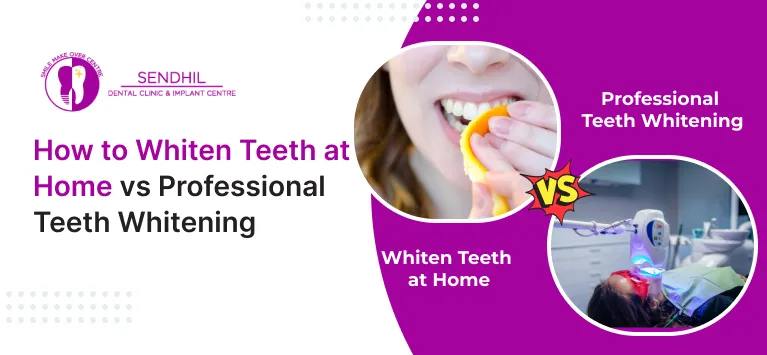
Teeth Whitening Strips vs Professional Whitening
Whitening Strips:
- Affordable
- Easy to use at home
- Gradual results
Professional Whitening:
- Faster and stronger results
- Dentist supervision
- Higher cost
Both methods work, but professional whitening is better for deeper stains.
Common Myths About Whitening Strips
Myth 1: Whitening strips damage enamel
Fact: When used correctly, they do not damage enamel.
Myth 2: More use means faster whitening
Fact: Overuse increases sensitivity, not results.
Myth 3: Whitening strips work on all teeth
Fact: They do not whiten crowns or fillings.
Final Thoughts: Do Teeth Whitening Strips Work?
Yes, teeth whitening strips do work for many people when used correctly. They are safe, affordable, and effective for surface stains. However, they must be used responsibly to avoid sensitivity and gum irritation.
If you want noticeable whitening at home and have healthy teeth, whitening strips can be a good option. For faster or long-lasting results, professional dental whitening is always the safest choice.
A brighter smile starts with good oral care — whitening is just the final touch.