

Early signs of gum disease you should never ignore

Dr. D.Sendhil Nathan
MDS, DNB (Prosthodontics And Implantology)
Gum disease, also known as periodontal disease, is one of the most common dental problems affecting adults. The early signs of gum disease are often painless, which makes them easy to miss until the condition becomes more serious.
The good news is that when caught early, gum disease is often reversible. Knowing the warning signs can help you take action before the damage becomes serious.
Table of Contents
What is gum disease?
Gum disease is an infection of the gum tissue that holds your teeth in place. It usually starts with a buildup of plaque — a sticky film of bacteria that forms on the teeth. When plaque is not removed through regular brushing and flossing, it hardens and irritates the gums, causing inflammation and infection. There are four stages of gum disease, starting from gingivitis to advanced periodontitis, where bone loss and tooth loss can occur. The earlier it is caught, the easier it is to treat
7 Early Signs of Gum Disease You Should Never Ignore
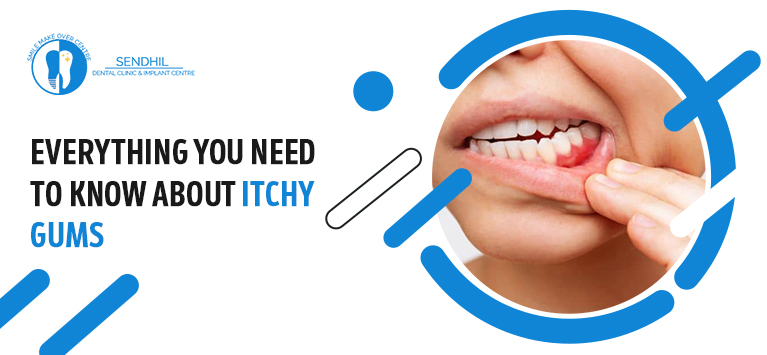
Bleeding gums
If your gums bleed during brushing or flossing, it is one of the earliest and most common signs of gum disease. Healthy gums do not bleed. Occasional bleeding from brushing too hard is one thing, but consistent bleeding is a sign that your gums are inflamed, a condition known as gingivitis. Do not ignore it or assume it will go away on its own.
Persistent bad breath
Bad breath that does not improve even after brushing, flossing, or using mouthwash could be a sign of gum disease. As plaque builds up along the gum line, bacteria multiply and produce toxins that cause an unpleasant odour. If bad breath keeps coming back despite good oral hygiene, it is worth getting checked.
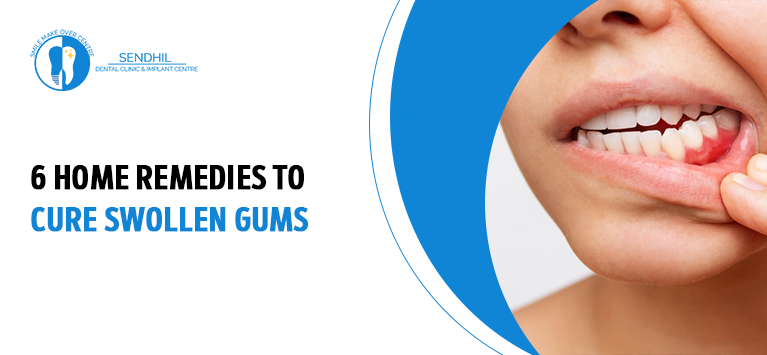
Red or swollen gums
Healthy gums are firm and pale pink. If your gums look red, feel puffy, or appear swollen, it is a sign that bacteria have irritated and inflamed the gum tissue. Swollen gums are tender to the touch and bleed more easily. This is a clear early warning sign that should not be overlooked.
Receding gums
Gum recession happens when the gum tissue pulls away from the teeth, making them appear longer than usual. This can expose the tooth roots, leading to increased sensitivity to hot and cold foods or drinks. Receding gums also create deeper pockets around the teeth where bacteria can hide and cause further damage.
Painful or sensitive gums
If you experience discomfort or pain while eating, drinking, or brushing, your gums may already be affected by infection. Pain during chewing is one of the lesser-known but important signs of advancing gum disease and should be evaluated by a dentist promptly.
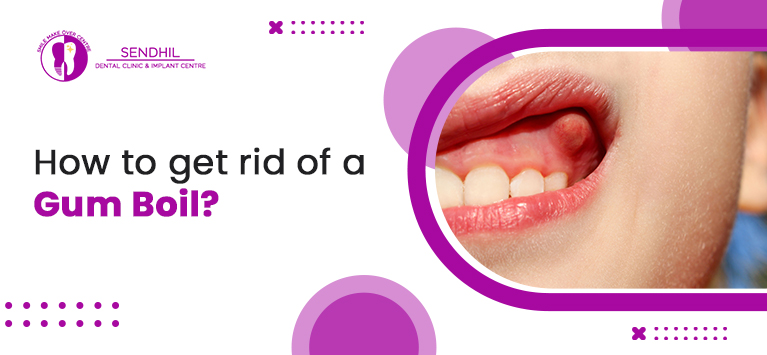
Pus around the gum line
Pus between the teeth and gums is a clear sign of infection. It indicates that the body is fighting a bacterial infection in the gum tissue. Any pus in the mouth should be taken seriously and treated without delay, as the infection can spread and worsen quickly if left unaddressed.
Loose or shifting teeth
As gum disease advances, it begins to damage the supporting bone and tissue around the teeth. This causes teeth to feel loose or shift out of their normal position. In severe cases, teeth may eventually fall out. If you notice any change in how your teeth fit together or feel less stable than usual, seek dental care immediately
What causes gum disease?
The primary cause of gum disease is the buildup of dental plaque from poor oral hygiene. However, several other factors can increase your risk:
- Smoking or tobacco use
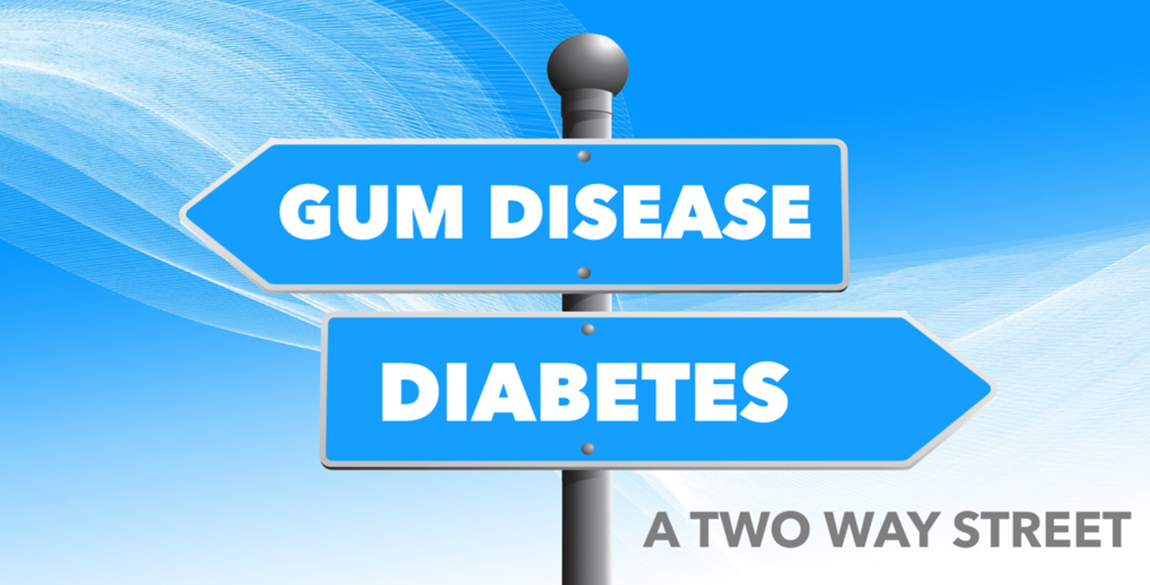
- Diabetes and certain autoimmune conditions
- Hormonal changes during pregnancy or menopause
- Stress
- Genetics
- Certain medications that cause dry mouth
How is gum disease treated?
The right treatment depends on how far the disease has progressed. Common options include:
- Professional dental cleaning to remove plaque and tartar buildup
- Scaling and root planing — a deeper cleaning that removes bacteria from below the gum line
- Pocket reduction surgery for moderate to advanced cases
- Bone or gum grafting to restore tissue lost to the disease
When detected at the gingivitis stage, gum disease can often be fully reversed with a professional cleaning and improved oral care at home — no surgery needed.
How to prevent gum disease
The best defence against gum disease is a consistent oral hygiene routine:
- Brush your teeth at least twice a day for two minutes each time
- Floss daily to remove plaque from between the teeth
- Use an antibacterial mouthwash
- Avoid smoking and tobacco products
- Visit your dentist regularly for check-ups and professional cleanings
When should you see a dentist?
If you notice bleeding gums, bad breath, gum swelling, or gum recession, don’t ignore it. Early treatment can prevent serious dental problems later. A routine dental check-up can help detect gum disease early and keep your gums healthy. Book your consultation today to protect your smile.
Final Thoughts
The early signs of gum disease may seem minor, but they should never be ignored. Recognising these symptoms early and seeking timely dental care can prevent more serious oral health problems in the future.