

Plaque vs Tartar: What’s the Difference & Why It Matters for Your Teeth

Dr. D.Sendhil Nathan
MDS, DNB (Prosthodontics And Implantology)
Maintaining good oral hygiene goes beyond just brushing your teeth. Two of the most common dental concerns, plaque and tartar, play a major role in tooth decay and gum disease. While they are closely related, they are not the same.
Understanding the difference between plaque and tartar can help you take better care of your teeth and prevent serious dental problems.
Table of Contents
Understanding Dental Plaque
Dental plaque is a soft, sticky layer of bacteria that constantly forms on your teeth. It develops when bacteria in your mouth mix with food particles and saliva.
Plaque is usually colorless or pale yellow, making it difficult to see, but you can often feel it as a fuzzy or slimy coating on your teeth.
How Plaque Affects Your Teeth
The bacteria in plaque produce acids that:
- Weaken tooth enamel
- Lead to tooth decay and cavities
- Irritate the gums
If not removed regularly, plaque can quickly build up and cause bad breath, gum inflammation, and bleeding gums.
What is Tartar?
Tartar, also known as dental calculus, is hardened plaque. When plaque is not removed in time, it combines with minerals in saliva and turns into a hard, rough deposit on the teeth.
Unlike plaque, tartar:
- Has a yellow, brown, or dark appearance
- Feels hard and crusty
- Cannot be removed by brushing or flossing
It often forms near the gumline and between teeth, where cleaning is more difficult.
Plaque vs Tartar: Key Differences
| Plaque | Tartar | |
| Formation | Forms daily from bacteria, food particles, and saliva | Develops when plaque hardens due to mineral buildup |
| Appearance | Invisible or pale yellow, soft texture | Darker, rough, and clearly visible in some cases |
| Removal | Can be removed with proper brushing and flossing | Requires professional dental cleaning |
| Impact on Oral Health | Causes cavities and early gum irritation | Leads to advanced gum disease, tooth sensitivity, and discoloration |
Why Plaque and Tartar Shouldn’t Be Ignored
If left untreated, both plaque and tartar can lead to serious oral health issues such as:
- Gingivitis (early gum disease with redness and bleeding)
- Periodontitis (advanced gum disease affecting bone support)
- Persistent bad breath
- Tooth sensitivity
- Tooth loss in severe cases
Long-term gum inflammation has also been linked to overall health concerns, including heart-related conditions.
Signs of Plaque or Tartar Buildup
- Bad breath that doesn’t go away
- Gums that bleed while brushing
- Swollen or red gums
- Yellow or brown deposits near the gumline
- Teeth that feel rough or coated
Effective Ways to Remove Plaque
- Brush your teeth twice daily using fluoride toothpaste
- Clean along the gumline and hard-to-reach areas
- Floss once a day to remove plaque between teeth
- Use an antibacterial mouthwash to reduce bacteria
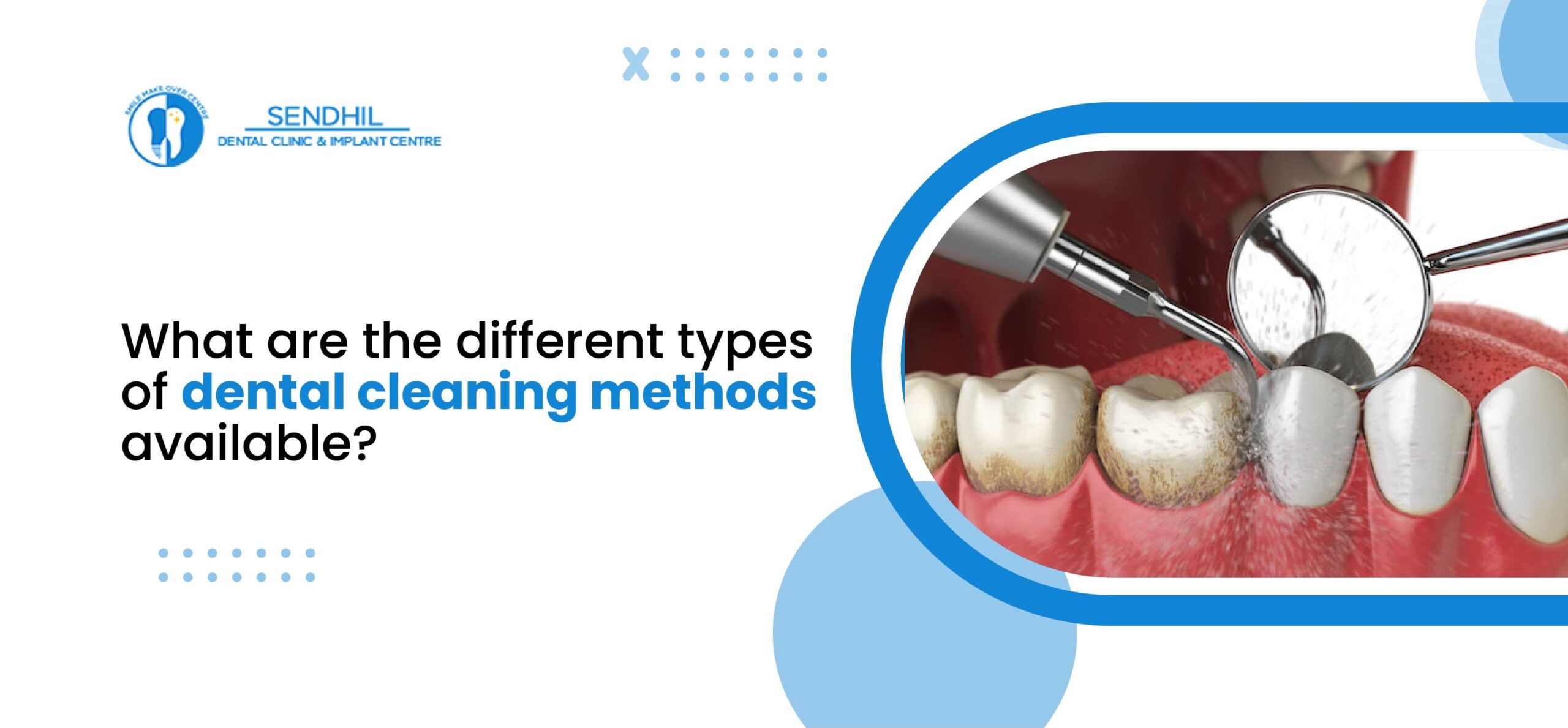
How is Tartar Removed?
On the other hand, tartar cannot be removed at home and requires dental care
Typically, dentists perform:
Scaling – Removes hardened deposits from teeth and below the gumline
Polishing – Smooths the tooth surface
In some cases, deep cleaning may be required.
Tips to Prevent Plaque & Tartar Buildup
Preventing tartar starts with controlling plaque. Follow these simple habits:
- Brush twice daily for at least 2 minutes
- Floss daily to clean between teeth
- Limit sugary and sticky foods
- Drink plenty of water to support saliva production
- Rinse your mouth after meals
- Visit your dentist every 6 months for a cleaning
Consistent care can significantly reduce your risk of gum disease and tooth decay.
Final Thoughts
Plaque and tartar may seem like minor issues, but they can lead to serious dental problems if ignored. The key difference is simple—plaque is preventable at home, while tartar requires professional treatment.
By maintaining a good oral hygiene routine and scheduling regular dental visits, you can keep your teeth clean, healthy, and free from long-term damage.