

Signs You Need a Root Canal Treatment

Dr. D.Sendhil Nathan
MDS, DNB (Prosthodontics And Implantology)
Tooth pain is something you should never ignore, especially when it keeps coming back or becomes worse while eating or drinking. In many cases, these symptoms may indicate an infection deep inside the tooth that requires root canal treatment. Recognizing the warning signs early can help save the natural tooth and prevent the infection from spreading.
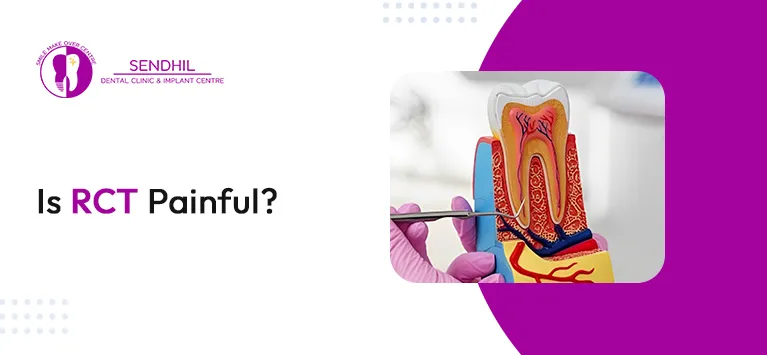
A root canal is a common dental procedure used to treat infection inside the tooth. The soft inner tissue, called the pulp, contains nerves and blood vessels. When this pulp becomes inflamed or infected, it can cause pain, sensitivity, and swelling. Treating it early helps relieve discomfort, restore function, and protect your oral health.
Table of Contents
What Is Root Canal Treatment?
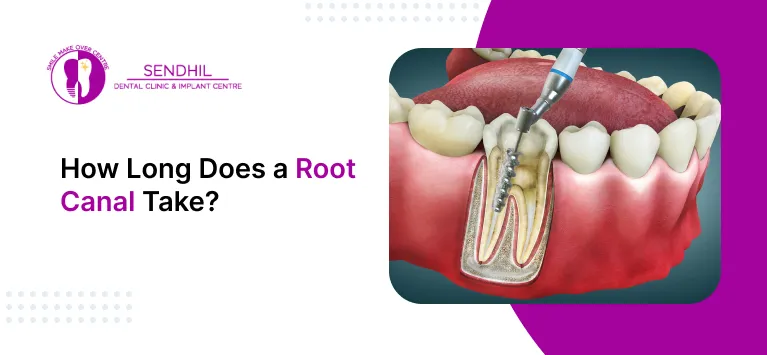
Root canal treatment is recommended when the pulp inside the tooth becomes infected due to deep decay, cracks, injury, or repeated dental procedures. During the treatment, the infected tissue is removed, the inside of the tooth is cleaned, and the canals are sealed to prevent future infection.
The main goals of root canal treatment are to:
- Relieve pain
- Save the natural tooth
- Stop the infection from spreading
- Prevent tooth extraction
7 Common Signs You May Need a Root Canal
1. Persistent Tooth Pain
Ongoing tooth pain is one of the most common warning signs. The pain may feel deep inside the tooth or spread to the jaw, ear, or nearby teeth. It can also worsen during chewing or when pressure is applied. If the pain keeps returning or disturbs your sleep, it may indicate an infection within the tooth and should be checked by a dentist.
2. Sensitivity to Hot or Cold
Temporary sensitivity is common, but pain that lingers after having something hot or cold may signal a deeper problem. You may feel a sharp pain while drinking cold water or discomfort that continues after having tea or coffee. Lingering sensitivity often happens when the nerve inside the tooth becomes irritated or infected.
3. Swollen or Tender Gums
Swelling around a tooth can be a sign of infection. The gums may appear puffy, feel sore when touched, or develop a small bump near the affected tooth. Sometimes this may be linked to an abscess, which can spread if left untreated. Early dental care can help control the infection and protect the surrounding gums.
4. Tooth Discoloration
A tooth that suddenly becomes grey, brown, or darker than the surrounding teeth may have damage inside the pulp. This often happens when the tooth loses its blood supply due to trauma or infection. If only one tooth changes color, especially with pain or sensitivity, it is worth getting evaluated.
5. Pain While Chewing or Biting
Pain when biting or chewing can happen when inflammation or infection reaches the root of the tooth. You may notice sharp discomfort while eating or when biting down on one side. Even if the pain comes and goes, it should not be ignored, as it can worsen over time.
6. Pimple or Pus on the Gums
A small pimple-like bump on the gums near a painful tooth can be a sign of a dental abscess. In some cases, it may release pus or cause a bad taste or smell in the mouth.This usually means an active infection is present and requires prompt dental treatment.
7. Deep Decay or a Cracked Tooth
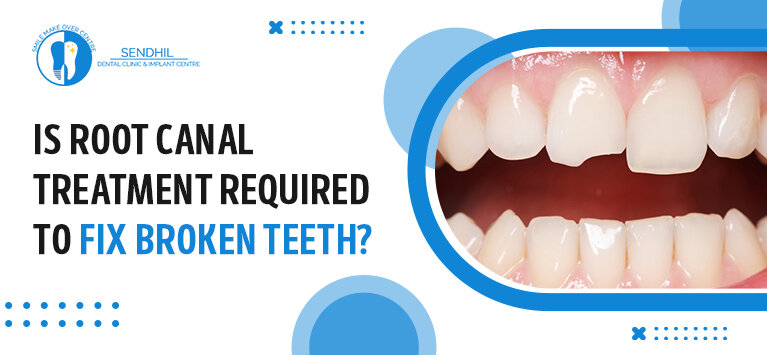
A deep cavity or crack can allow bacteria to reach the pulp inside the tooth. Once the infection reaches the nerve, root canal treatment may be needed to save the tooth. Cracks can happen due to injury, grinding, or biting hard foods. Early treatment can help prevent further damage and possible tooth loss.
Is It Possible to Need a Root Canal Without Pain?
Yes. Not every infected tooth causes severe pain right away. Some people notice only mild sensitivity, slight swelling, or tooth discoloration without significant discomfort.
This is why regular dental check-ups are important. A dentist can identify hidden infections early through examination and X-rays before symptoms become severe.
What Happens If You Ignore the Signs?
Ignoring symptoms can allow the infection to spread deeper into the tooth and surrounding tissues. Over time, this may lead to an abscess, swelling in the face or jaw, bone damage, or even tooth loss.
Getting treatment early usually makes the procedure easier and helps avoid more complex dental problems later.
How Root Canal Treatment Helps
Root canal treatment removes the infected pulp, cleans the inside of the tooth, and seals it to prevent reinfection. In many cases, the tooth is restored with a crown to improve strength and function.
Modern root canal treatment is safe, effective, and much more comfortable than many people expect. With proper care, a treated tooth can last for many years.
Final Thoughts
The signs that you may need a root canal should never be ignored. Persistent tooth pain, sensitivity to hot or cold, swollen gums, pain while biting, tooth discoloration, or a gum abscess can all point to infection inside the tooth.
Early diagnosis and timely treatment can help save your natural tooth, relieve discomfort, and prevent further complications. If you notice any of these symptoms, visiting a dentist early can make treatment simpler and more effective.