

Guided Implant Surgery: How It Helps Improve Dental Implant Placement

Medically Reviewed by
Dr. D.Sendhil Nathan, MDS, DNB (Prosthodontics And Implantology)
TNDC Reg No - 5709
November 27,2026
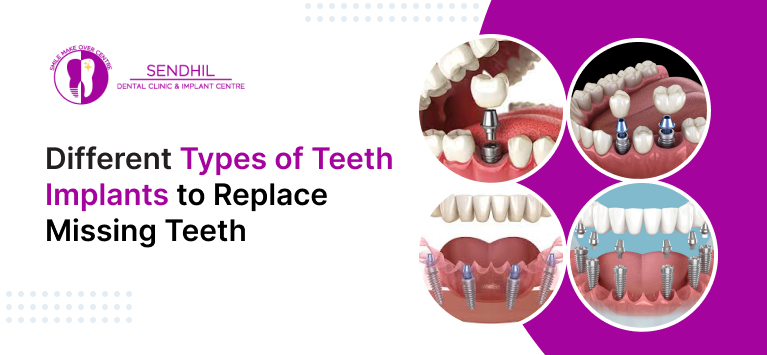
Losing a tooth can affect more than your smile. It may change how you chew, make you feel conscious when talking, or leave you wondering what the replacement process will involve. Dental implants offer a way to replace missing teeth, but the planning and placement of an implant are just as important as the implant itself.
Guided implant surgery uses digital planning and a specially designed surgical guide to help dentists position dental implants more carefully. Rather than relying entirely on visual assessment during surgery, the procedure is planned in advance using information about the patient’s jaw and oral structures. This approach helps reduce guesswork and gives the dentist a clearer plan to follow. But how does it work, and what makes it different from conventional implant placement?
Table of Contents
What Is Guided Implant Surgery?
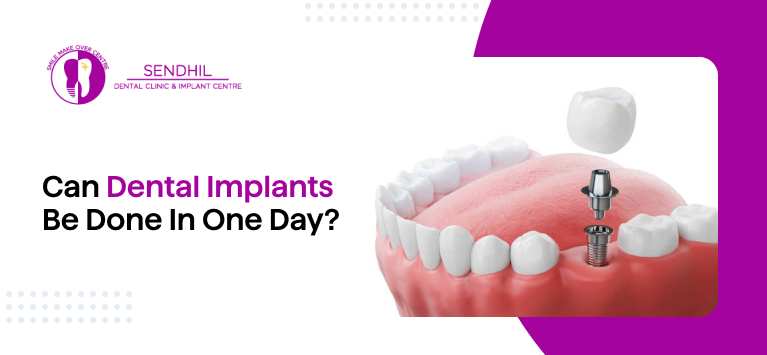
Guided implant surgery is a dental implant procedure in which a custom-made surgical guide helps direct the drilling process and implant placement. The guide is created using digital information gathered during the planning stage and designed to suit the patient’s individual oral anatomy.
Unlike conventional freehand implant placement, where the dentist makes positioning decisions during the procedure, guided implant treatment involves planning important details beforehand. This can help the dentist follow a planned implant position, angle, and depth more consistently.
The goal is to position the implant in a way that supports the planned replacement tooth while considering the surrounding bone and anatomical structures.
How Does Guided Implant Surgery Work?
The procedure involves several stages, beginning with an examination and ending with implant placement.
1. Dental Examination and Digital Scanning
The dentist first evaluates the patient’s dental condition, medical history, gums, and available jawbone. Imaging is used to understand the area where the implant is being considered.
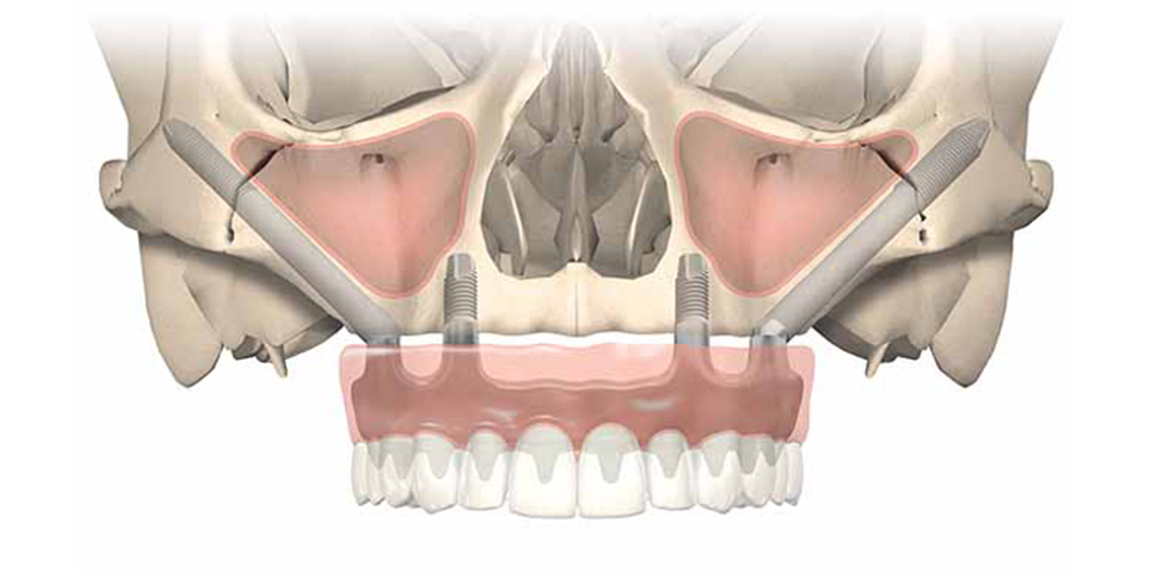
A CBCT scan (Cone Beam Computed Tomography) provides a three-dimensional view of the jaw. It helps the dentist examine bone volume, bone density, and important nearby structures, including nerves and the maxillary sinus.
An intraoral scan may also be used to capture the shape of the teeth and soft tissues. These digital records help create a more complete picture of the patient’s mouth.
2. Digital Implant Planning
The scan information is combined using implant planning software. This allows the dentist to study the available bone and plan the implant position before the surgical appointment.
The proposed position is considered in relation to the future tooth restoration, helping ensure that the implant plan accounts for both functional and aesthetic requirements.
3. Designing the Surgical Guide
Once the treatment plan is established, a customized surgical guide is prepared. It is designed to fit the patient’s mouth and guide the drills used during implant placement.
Because the guide is created for an individual case, its design and fit are important parts of the planning process.
4. Implant Placement
On the day of surgery, the dentist checks the surgical guide’s fit before proceeding. The guide helps direct the drilling process according to the planned position.
Depending on the patient’s condition and treatment requirements, implant placement may be performed using different surgical approaches. The dentist decides which technique is appropriate after evaluating the case.
Benefits of Guided Implant Surgery
Guided implant surgery offers several advantages when it is suitable for the patient’s needs.
- Planned implant positioning: Digital planning helps the dentist evaluate implant placement before surgery.
- Greater placement control: The surgical guide helps maintain the planned drilling direction and position.
- Reduced guesswork: Important decisions are considered during the planning stage instead of being made entirely during surgery.
- Individualized treatment: Implant planning can be adapted to the patient’s bone structure, oral anatomy, and restoration requirements.
- Potentially less tissue trauma: In selected cases, guided techniques may allow a less invasive approach, which can support recovery.
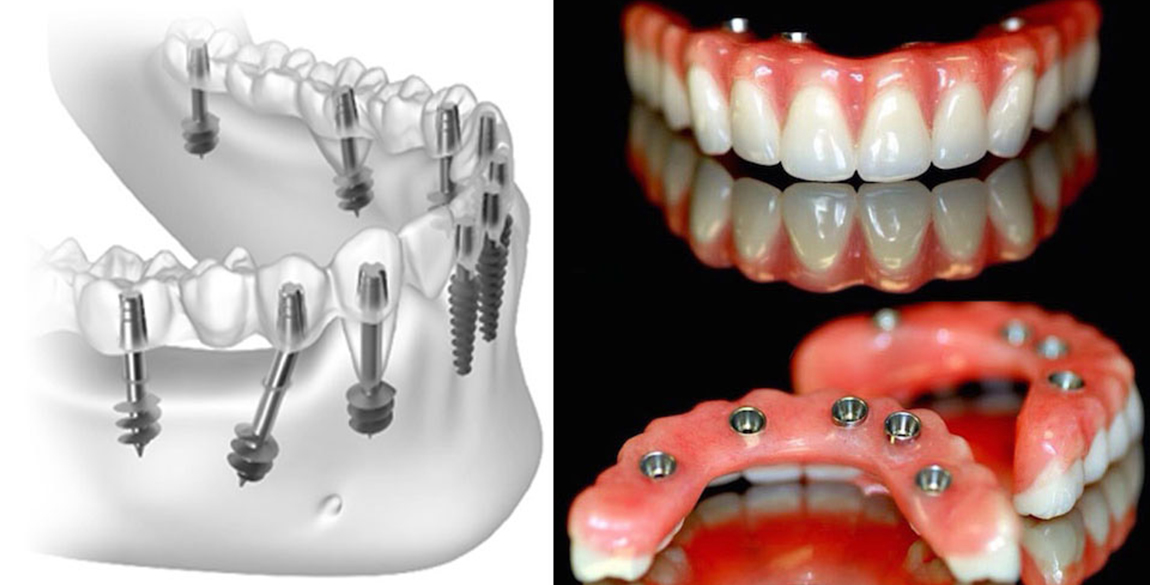
These advantages can be particularly relevant when multiple implants are being planned, as positioning each implant in relation to the others requires careful consideration.
Guided Implant Surgery vs. Traditional Implant Surgery
The main difference between guided and traditional implant surgery is how implant placement is planned and carried out.
With conventional implant surgery, the dentist relies on clinical examination and imaging to assess the jaw and determine implant placement during the procedure. Guided implant surgery adds digital planning and a customized guide to help follow the planned position.
| Guided Implant Surgery | Traditional Implant Surgery |
| Uses digital planning and a custom surgical guide | Relies on clinical assessment and the dentist’s surgical judgment |
| Implant positioning is planned beforehand | Positioning decisions are made during surgery |
| Guide helps control drilling direction and placement | Placement is performed without a custom drilling guide |
| Useful in carefully planned cases, including multiple implants | May be suitable for a range of implant cases |
Both approaches require proper diagnosis, planning, and clinical expertise. Guided surgery is not automatically the right choice for every patient.
Is Guided Implant Surgery Suitable for Everyone?
Guided implant surgery may be considered for patients replacing missing teeth, especially when multiple implants are needed or when implant placement requires careful positioning based on the patient’s anatomy.
However, suitability depends on several factors, including:
- Available bone and its condition
- Gum and soft tissue health
- The position of nearby anatomical structures
- Mouth opening and access for the surgical instruments
- The number and position of implants planned
A dental evaluation is necessary to determine whether a guided approach is appropriate. The treatment plan should always be tailored to the individual rather than chosen solely because the technology is available.
What Happens After Guided Implant Surgery?
After implant placement, healing begins around the implant. The implant needs time to integrate with the surrounding bone before the final artificial tooth can be attached, depending on the treatment plan.
Your dentist will provide instructions for caring for the surgical area and guide you through follow-up appointments. Healing and restoration timelines can differ from one patient to another, so the next stage of treatment will be planned based on how the area progresses.
Plan Your Dental Implant Treatment With Confidence
Guided implant surgery combines digital imaging, treatment planning, and a customized surgical guide to help dentists approach implant placement with greater control. It can be especially useful in cases where implant positioning requires detailed planning.
If you are considering replacing a missing tooth, understanding your treatment options is a good place to start. A consultation at Sendhil Dental Clinic & Implant Centre can help you explore whether dental implants and guided implant planning may be appropriate for your needs.
Take the first step toward restoring your smile by discussing your dental condition and treatment options with a dentist.